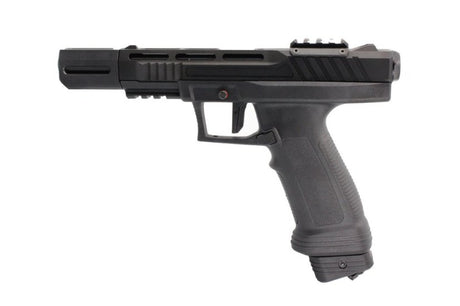
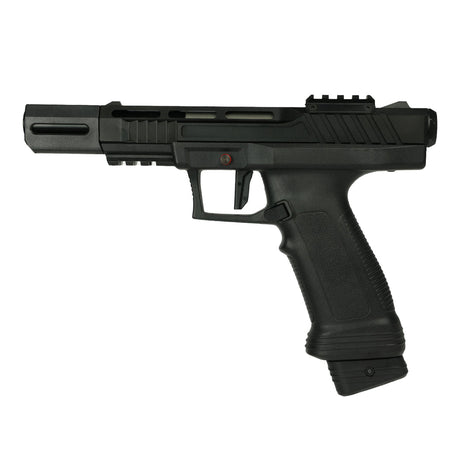
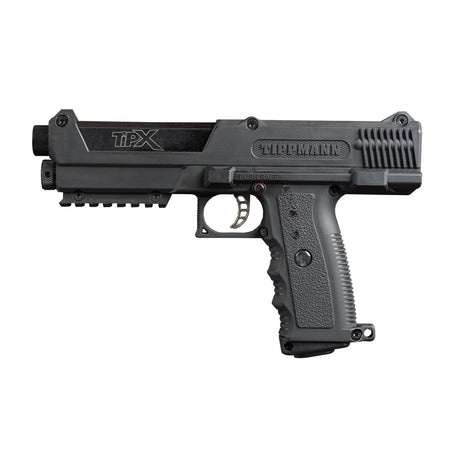
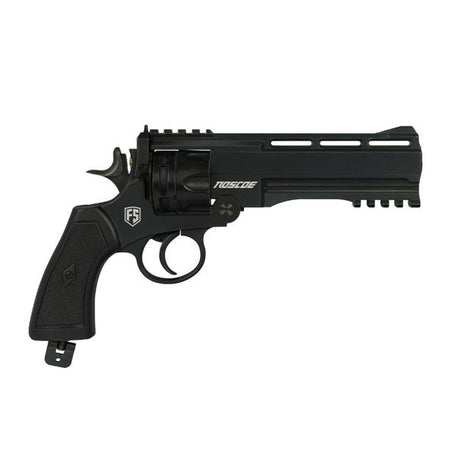
Paintball pistols can serve as compact primary markers, sidearms, training tools, or specialized equipment for close-range scenarios. Their small size is useful, but it also creates tradeoffs in ammunition capacity, air capacity, accuracy, and maintenance.
The right pistol depends on whether it will be the player's main marker, a backup, or a role-specific tool.
Why Use a Paintball Pistol?
- Compact handling in structures and tight cover
- Low-profile secondary marker
- Lightweight loadout for limited-ammunition games
- Training for reloads and one-handed manipulation
- Specialized scenario or role use
- A different style of play built around movement and precision
Common Paintball Pistol Formats
Magazine-fed.68 caliber pistols
These are the most familiar magfed sidearms. They use detachable magazines and may be powered by CO2 cartridges, HPA conversion systems, or platform-specific air solutions.
.50 caliber pistols
.50 caliber systems use smaller projectiles and often provide higher capacity or lighter magazines. They require compatible ammunition, barrels, and field approval.
Revolver-style markers
Revolver and cylinder-fed designs may use individual chambers or clips. They are simple and distinctive, but capacity and reload speed are limited.
Training and less-lethal platforms
Training and less-lethal launchers use different projectiles, power levels, and legal requirements. They should not be treated as ordinary recreational paintball pistols.
Primary Marker or Backup?
A pistol used as the primary marker needs enough magazines, air, and maintenance support to complete the game. A backup pistol can use a smaller reserve, but it must remain accessible and reliable after being carried through movement, paint, and weather.
Players should practice drawing and reholstering with the marker unloaded, degassed where appropriate, and under field-safe conditions.
Air Systems
CO2 cartridges
Compact cartridges keep the pistol small and self-contained. Shot count varies by platform, temperature, seal condition, and firing pace. Store and install cartridges according to the manufacturer.
Remote or HPA conversions
HPA conversions can increase consistency and shot capacity, but hoses and adapters change handling. Confirm regulator pressure, fitting compatibility, and safe routing.
Internal or proprietary air
Some platforms use proprietary cylinders or internal reservoirs. Parts and refill support should be considered before purchase.
Magazine Capacity and Cost
Pistol magazines can contain both paint and the air cartridge, or paint only. Combination magazines are convenient but expensive and heavier. Paint-only magazines can be slimmer but require a separate air plan.
Budget for enough magazines to support the intended role. Test every magazine, number it, and inspect seals and feed lips.
Holsters and Retention
- Use a holster designed for the exact pistol or confirmed dimensions.
- Confirm the trigger area remains protected.
- Test retention while running, kneeling, and crawling.
- Keep the draw path clear of radio cables, slings, and magazine pouches.
- Follow field rules for holstered markers and barrel-blocking devices.
- Practice safe reholstering without pointing the marker at the body.
Accuracy and Practical Range
A shorter barrel does not automatically make a pistol inaccurate, but the compact sight radius, grip, air system, and ammunition can make consistent shooting harder. Use realistic paintball distances and understand trajectory.
A small red dot can improve alignment when the slide, receiver, and mount remain stable. The optic must survive paint impacts and remain visible with the mask.
Maintenance
- Clean broken paint from the barrel, breech, and magazine well.
- Inspect CO2 seals and magazine valves.
- Use only the specified lubricant.
- Check holster retention and fasteners.
- Store cartridges and pressurized components safely.
- Test after replacing seals or changing air systems.
Choosing a Pistol by Role
- Compact primary: prioritize magazine availability, air capacity, and comfortable controls.
- Backup sidearm: prioritize reliability, secure retention, and a simple manual of arms.
- Scout or Ambush: prioritize low profile and selective use without assuming the pistol is silent.
- Shield operator: confirm field rules and whether one-handed use is practical.
- Training: choose a platform appropriate to the training goal and legal environment.
Common Pistol Mistakes
- Buying the pistol without budgeting for magazines
- Carrying it in a universal holster that does not protect the trigger
- Leaving a CO2 cartridge installed for long storage
- Assuming a sidearm solves poor primary-marker reliability
- Failing to practice one-handed reloads and malfunction handling
- Using training or less-lethal projectiles at a recreational field
Choose the Complete Pistol System
Evaluate the pistol, magazines, air, holster, optics, maintenance, and field rules together. A compact marker is useful only when the complete system remains safe and dependable.
Browse Paintball Pistols and compatible Pistol Holsters and Accessories.